Sigma 16-300
This lens has changed how I approach photography.
This is the Sigma 16-300mm APS-C Super Zoom, so converted, that’s a range of 24-460. It’s f3.5-6.7, which makes it hard to use outside of sunny days, and since it’s APS-C, it’s even harder to operate in low light.
Since I’m a Lumix shooter, I’m using the L Mount version, which means my full frame S5II is converting for APS-C automatically, and that conversion is taking my 24 megapixel sensor, down to a 16 megapixel sensor.
I’m no stranger to shooting on smaller cameras. My go-to travel camera is a Micro Four Thirds Panasonic GF7 which is also 16 megapixels. But that camera has a much faster lens. The low light limitation makes it significantly harder for me to point and shoot at anything that isn’t in broad daylight. When shooting at birds sitting in the shade, I’m likely to introduce a lot of unwanted noise into the image.
It slows me down, makes me think about the shots, and introduces a bit of patience.
I haven’t really shot wildlife. My professional work is focused on portraits, and run and gun events. And my personal work is the same, but black and white, and artsy. I’m used to shooting in fast paced situations, and on fast lenses. Shooting at a more relaxed pace with a lens that stops working if I am too far in the shade, changes how I approach shooting. With a fast lens in broad daylight, you can shoot at higher shutter speeds and open up aperture.
But with this lens, if I want to zoom in on the horizon, I’m losing the ability to open that aperture, which means I have to reduce the shutter, which means I really can’t get a lot of the shots that would make for good wildlife shots.
But I can still get them, kind of.
I got this lens as something versatile that I can just pop on and shoot without thinking. Having all the range of an older bridge camera, but without being unusably cheap. This isn’t a professional lens, it was a lens that Sigma designed for Sony APS-C cameras so photo-dads could shoot their kids, or some pigeons in the yard. It’s not meant for a career photographer who is desperately trying to keep some semblance of control in his life after spiraling into using cheap glass in order to try and create something out of nothing.
It’s kind of weird that it was released for L Mount at all now that I think about it.
But a bad craftsman blames his tools, so let’s put this lens in the best situation, and see what we can get with it.
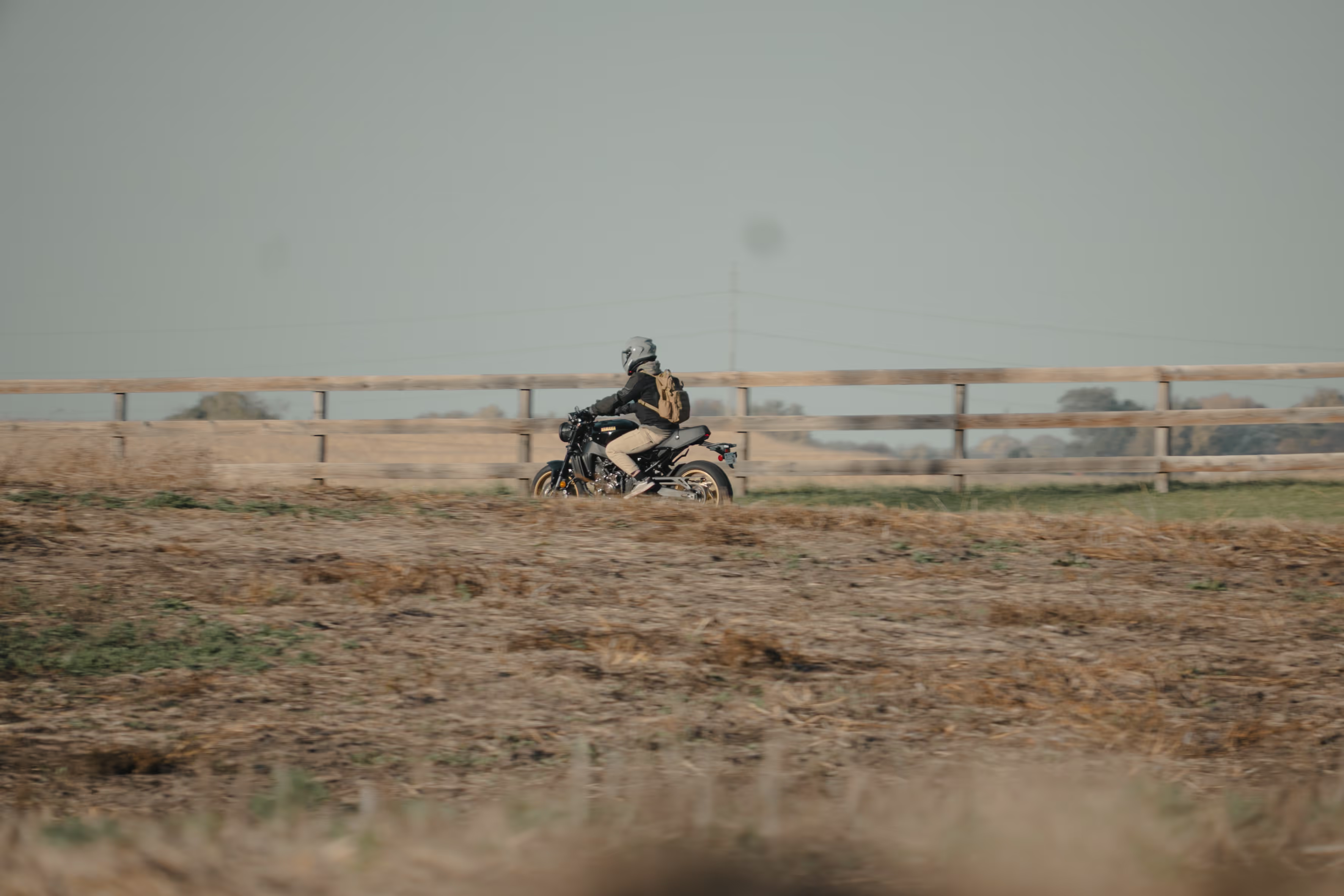
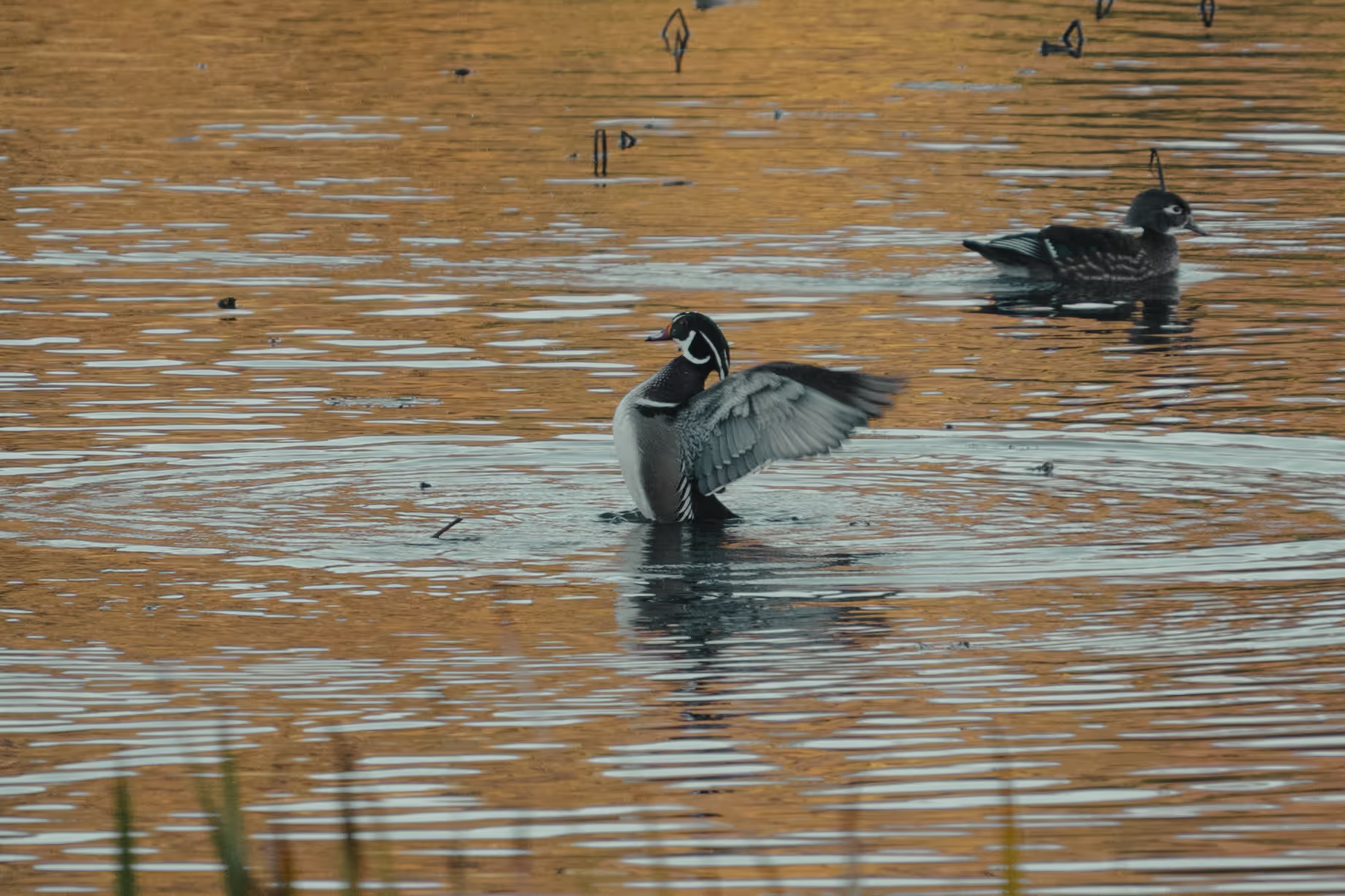
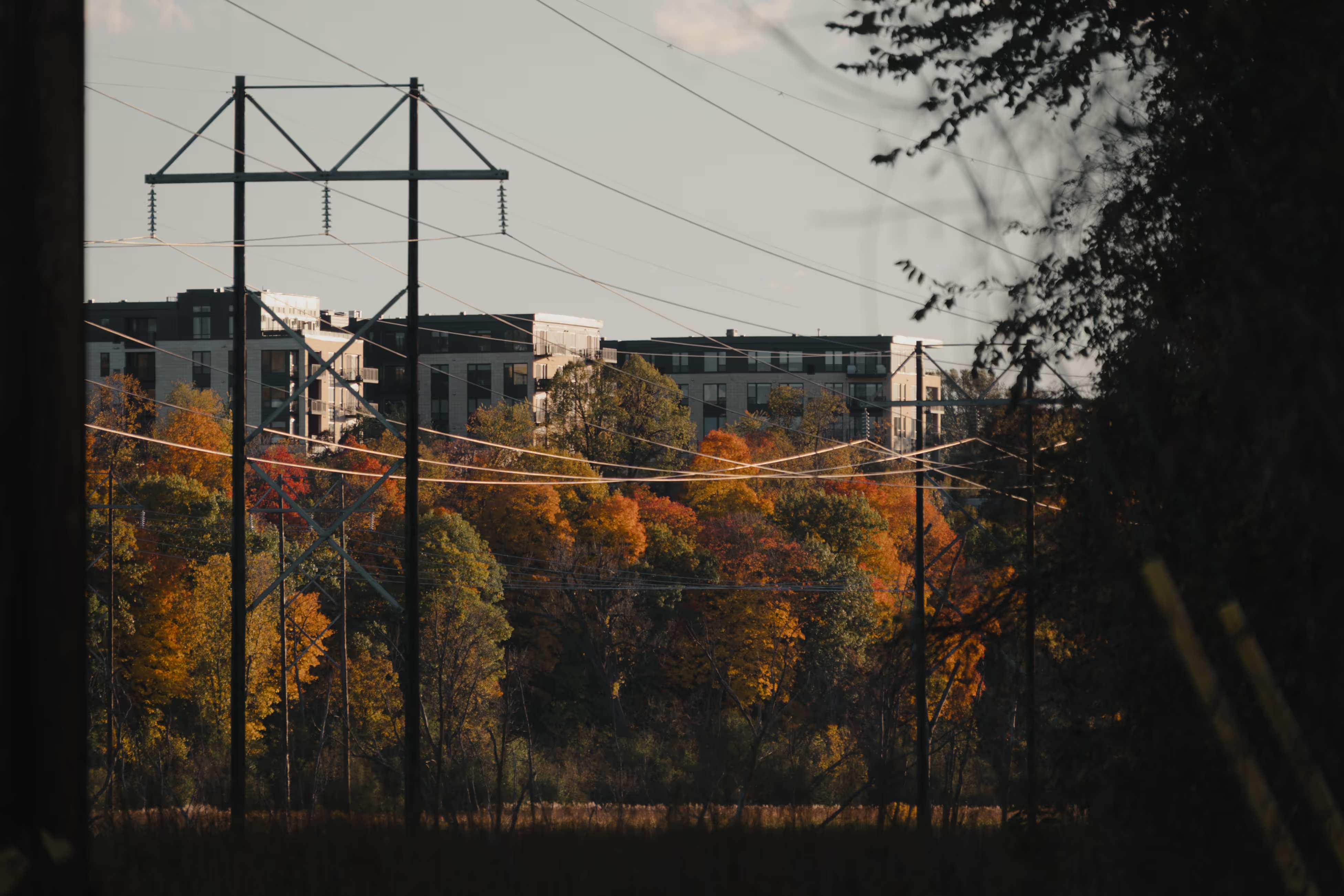
I'll leave the photos here for you to come to your own conclusion.